Italian architect in Bali for Japanese clients: villas and resorts in Bali and Southeast Asia, homes in Japan with a licensed local architect. Costs, FAQ.
Antonio Rutilio is an Italian architect and civil engineer based in Ubud, Bali. He designs villas, boutique resorts and second homes for clients who live in Japan and want to build in Bali, elsewhere in Indonesia or in Southeast Asia, and he develops the concept and the architectural design of houses and small hotels in Japan together with a licensed Japanese architect. This page explains how the studio works with Japanese clients, what it has built in Bali, what a project costs and how long it takes.
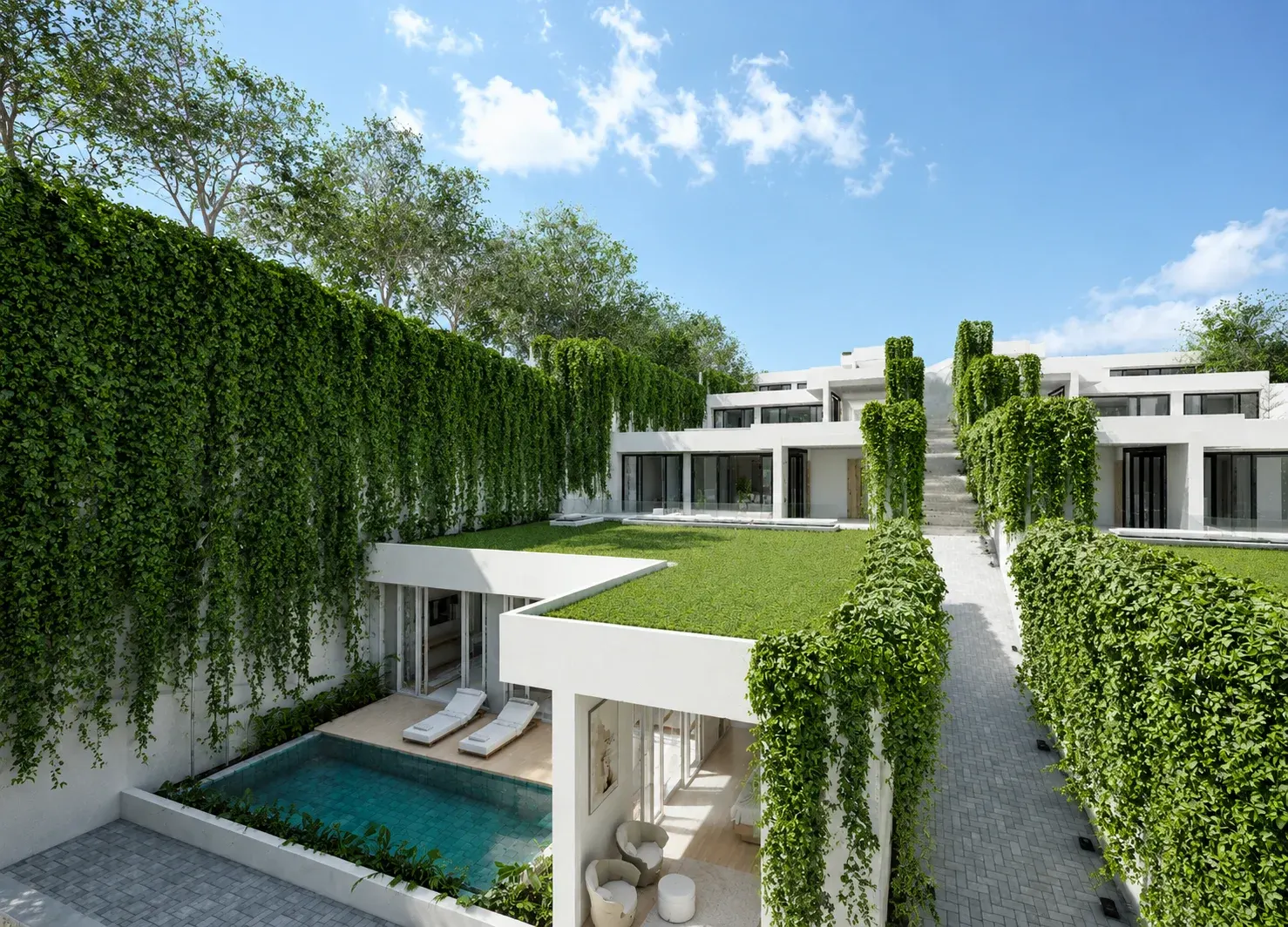
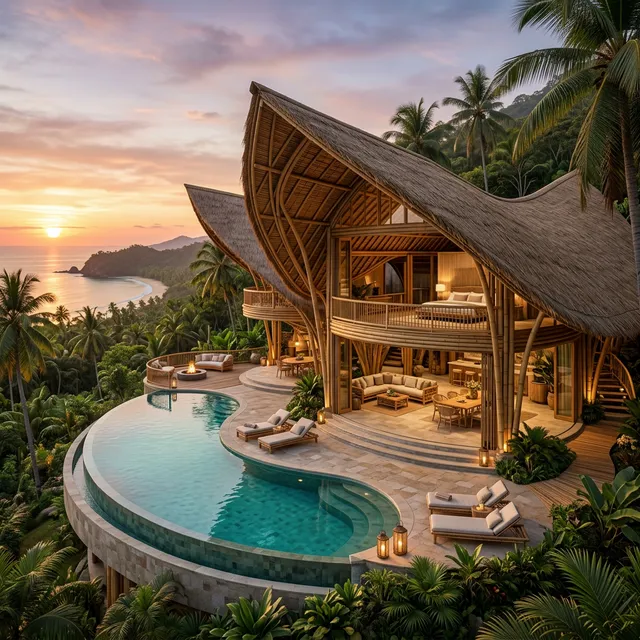
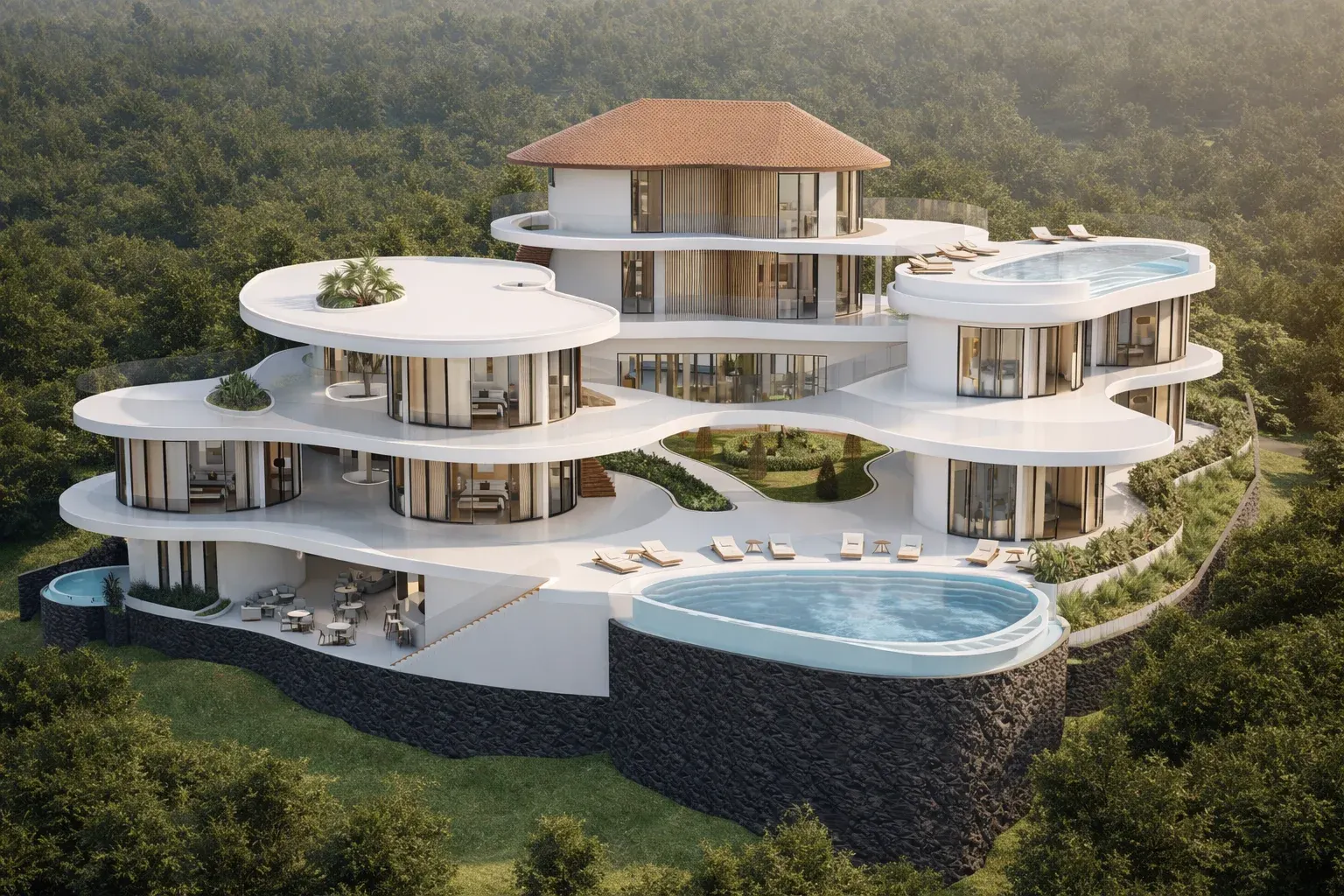
In Bali and Indonesia. Private villas in Ubud, Canggu, Uluwatu, Tabanan and Sanur; villas built to be rented out while the owner is in Japan; boutique resorts and multi-villa developments in Nusa Penida, Lombok and Sumba; interiors and renovations of existing villas. The pages on the architect in Bali and the architect in Indonesia describe the services in detail.
In Japan. For a house, a second home or a boutique hotel in Tokyo, Kyoto, Osaka, Nagoya, Karuizawa or Niseko, the studio delivers the concept, the architectural and interior design and the visualisations. A licensed Japanese architect (first-class kenchikushi) joins the team for the building confirmation, the structural review and compliance with the Building Standards Act: the studio does not sign Japanese permits on its own.
Elsewhere. The studio has designed in Italy, Mexico, Panama and the Dominican Republic. For a project outside Indonesia and Japan, see the page Italian architect worldwide.
All projects, with plans and renderings, are in the portfolio.
Meetings are held in English or Italian and drawings and contracts are written in English. If you prefer to work in Japanese, an interpreter can be arranged for the key meetings.
Building in Bali usually costs less than in Japan for a comparable finish. The studio works with three construction levels: about US$ 400 per square metre for a well-built villa with local materials, US$ 600 for a higher specification, and US$ 800 or more per square metre for luxury finishes, pools and landscape of resort standard. Design fees are a percentage of the construction cost, between 5 % and 10 % depending on the size of the project and the services included. The online estimator gives you a first figure for your project in a few minutes, free of charge.
As a rule of thumb, a villa takes 4 to 8 months of design and permits and 12 to 18 months of construction, depending on size and site. A resort takes longer and starts with a masterplan and a feasibility study.
Foreign citizens cannot hold freehold land (Hak Milik) in Indonesia. A Japanese owner usually chooses between a long leasehold (typically 25 to 30 years, renewable) and a foreign-owned company (PT PMA) holding a right-to-build title (HGB), which also allows the villa to be rented out legally. The studio works with notaries and lawyers in Bali and has the title checked before you sign; this page is general information, not legal advice. Read the guide to buying land through a PMA in Indonesia and the guide to building a luxury villa in Bali.
Use the estimator for a first figure, then write to the studio or send a message on WhatsApp. More about Antonio Rutilio on the about page.
Meetings are in English or Italian and all documents are in English. For clients who prefer Japanese, a professional interpreter can be arranged for the key meetings and the main documents can be translated.
Yes, for the concept, the architecture and the interiors. The building confirmation and structural compliance are signed by a licensed Japanese architect who joins the team for your project, in Tokyo, Kyoto, Osaka, Nagoya or anywhere else in Japan.
Two or three trips are usually enough: one to see the land and the concept, one during construction and one for the handover. Everything else happens on video calls, in the virtual-reality model and through the site reports.
Yes, if the ownership structure allows it: a PT PMA with the right permits can operate the villa as a rental. Rental villas are designed with separate staff access, a locked owner's store and finishes that stand up to guests, and the studio can introduce property managers in Bali.
Design fees are paid by phase, against deliverables, by bank transfer in US dollars, euros or Indonesian rupiah. Construction is paid directly to the contractor against certified progress.
Use the estimator to get a first figure, then contact the studio: you will receive an answer in English with the next steps and a proposed time for a video call.
Contact Antonio Rutilio's studio for an exclusive and confidential consultation on your next investment in Bali.
Or start with a preliminary architecture cost estimate — a non-binding range for your villa, resort or hotel.