When a client asks whether contemporary architecture is a "good investment," they are usually asking two different questions at once: will this design still look right in fifteen years, and will it cost more or less to own than something more conventional. Both questions have real answers, and both are decided at the design stage - by specific, identifiable choices about materials, layout and detailing, not by "modern" as a style label.
Some contemporary buildings age well and some date badly within a decade, and the difference is rarely the underlying structure - it is usually the surface layer of trend-driven detailing applied on top of it. A feature wall in a fashionable finish, a lighting fixture that reads as "this year," a paint color tied to a moment - these are inexpensive to change and low-risk if they go out of style. A floor plan built around a fashionable but impractical circulation pattern, or a facade whose entire identity depends on a single trendy material, is expensive or impossible to correct later. The practical implication is to separate what is genuinely structural to the design - massing, proportion, the relationship between rooms - from what is decorative and swappable, and to be more conservative about the former than the latter.
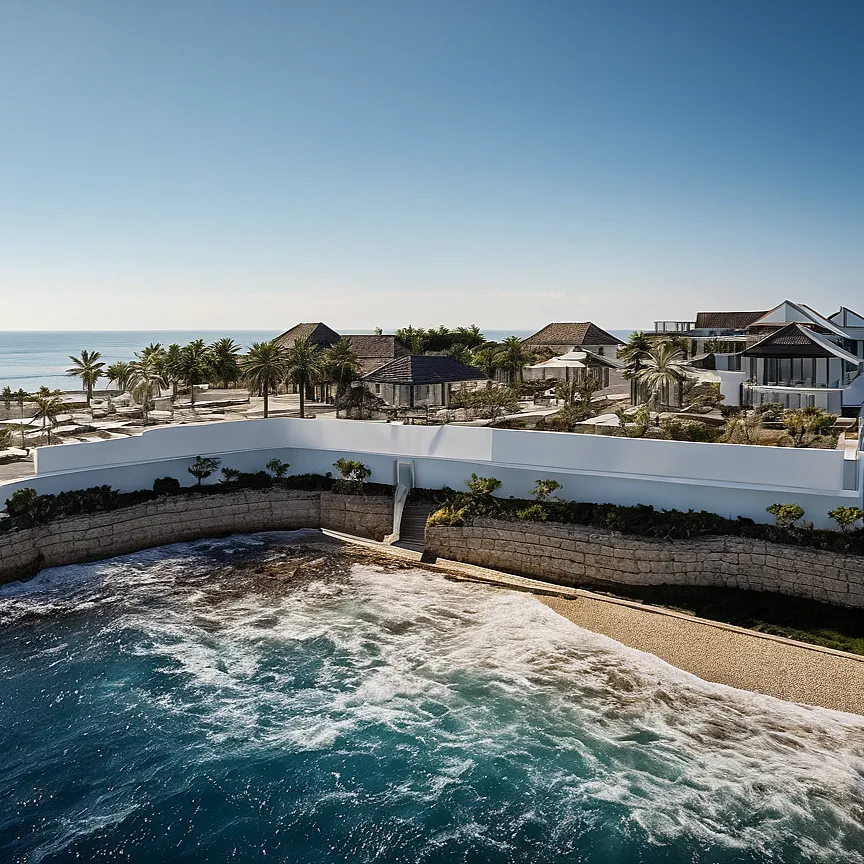
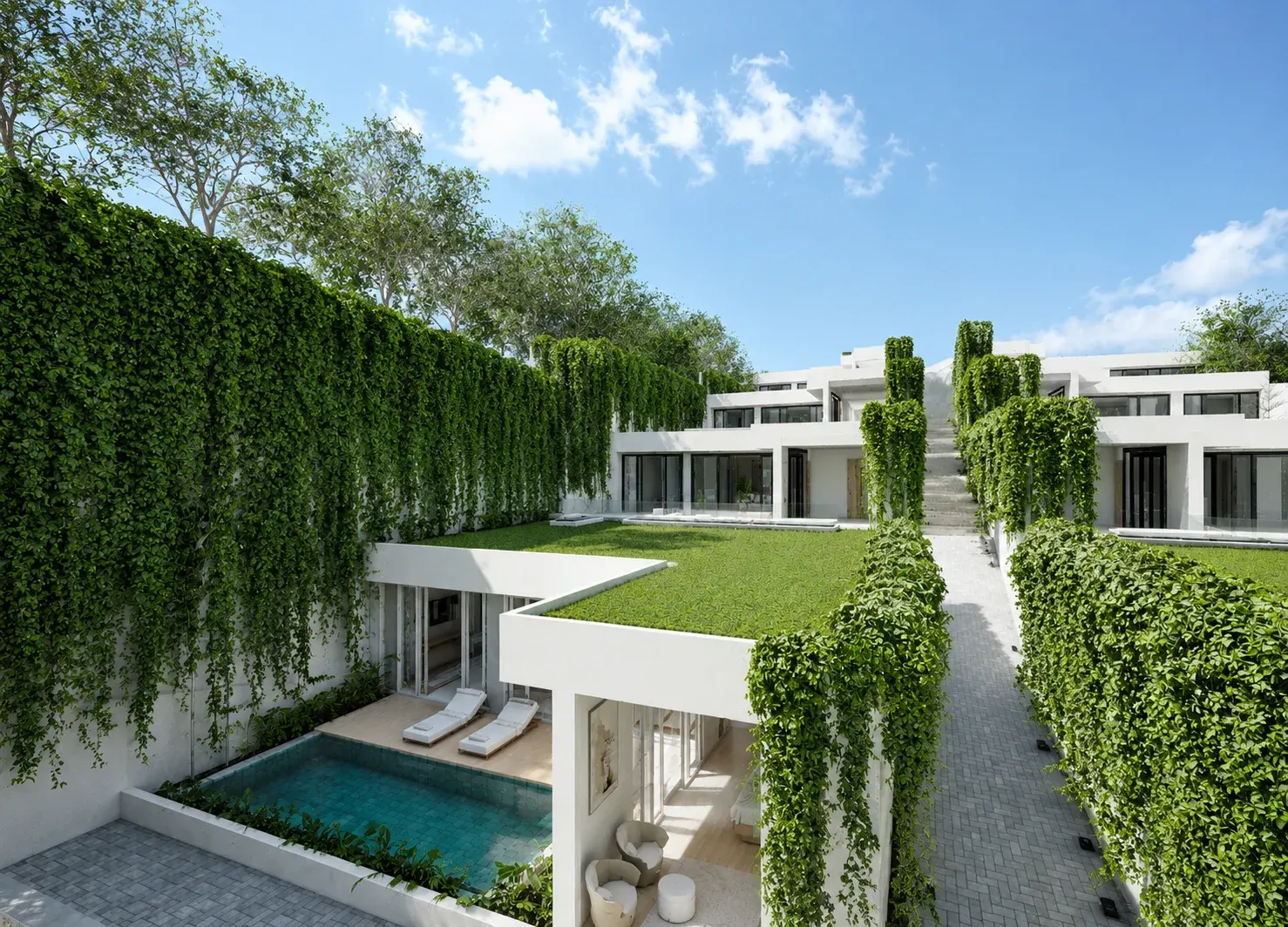
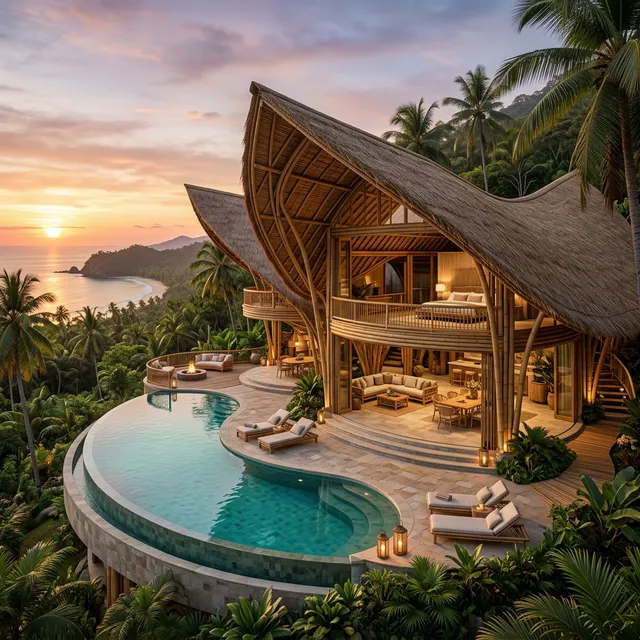
Material selection affects resale value in two ways that are easy to underweight at the design stage: maintenance cost and how the material ages visually. A material that requires frequent, specialized maintenance in a tropical or coastal climate becomes a liability disclosed at every future sale, regardless of how good it looked on day one. Conversely, materials chosen for how they weather - timber that silvers evenly, stone that develops patina rather than staining, concrete detailed to shed water cleanly - tend to look more, not less, considered as they age. This is a well-documented pattern in real estate more broadly: thoughtfully designed, well-detailed homes tend to hold buyer interest and sell with less friction than comparable properties finished to a lower standard of intent, even when raw square footage is similar.
An efficient layout is one where every square meter of built area is either doing useful work as living space or is structurally and mechanically necessary - it is not the same thing as a small or minimal layout. Circulation that eats disproportionate floor area, rooms with no clear secondary use, and awkward adjacencies (a bedroom reachable only through another bedroom, for instance) all reduce a property's appeal to the widest realistic pool of future buyers or tenants, even if the current owner never personally minds them. Because resale and rental markets are ultimately about how a stranger reads a floor plan before ever visiting, layout legibility has a direct effect on how quickly and at what price a property moves.
Treating architecture as an investment does not mean designing conservatively or avoiding a strong contemporary language - it means being deliberate about which design decisions are permanent and which are reversible, and spending the greater care on the permanent ones: siting, structure, material selection and plan logic. The reversible layer - furnishing, color, fixtures - can chase trends without much downside. For how this plays out at the scale of a full development rather than a single residence, see architecture in larger-scale investment projects; for how design decisions are communicated to a market of buyers, see architecture and real estate positioning. To talk through a specific project, get in touch.
Contact Antonio Rutilio's studio for an exclusive and confidential consultation on your next investment in Bali.
Or start with a preliminary architecture cost estimate — a non-binding range for your villa, resort or hotel.