Designing a single villa and designing a resort or a multi-unit development are related disciplines that share very little day-to-day resemblance. A private residence is a problem of one client, one site and one building. A larger investment project is a problem of multiple buildings, shared infrastructure, phased delivery, and a business model that has to work at the scale of the whole scheme, not just at the scale of any one unit within it. The architect's role shifts accordingly, from designing a building to designing a system that a set of buildings sits inside.
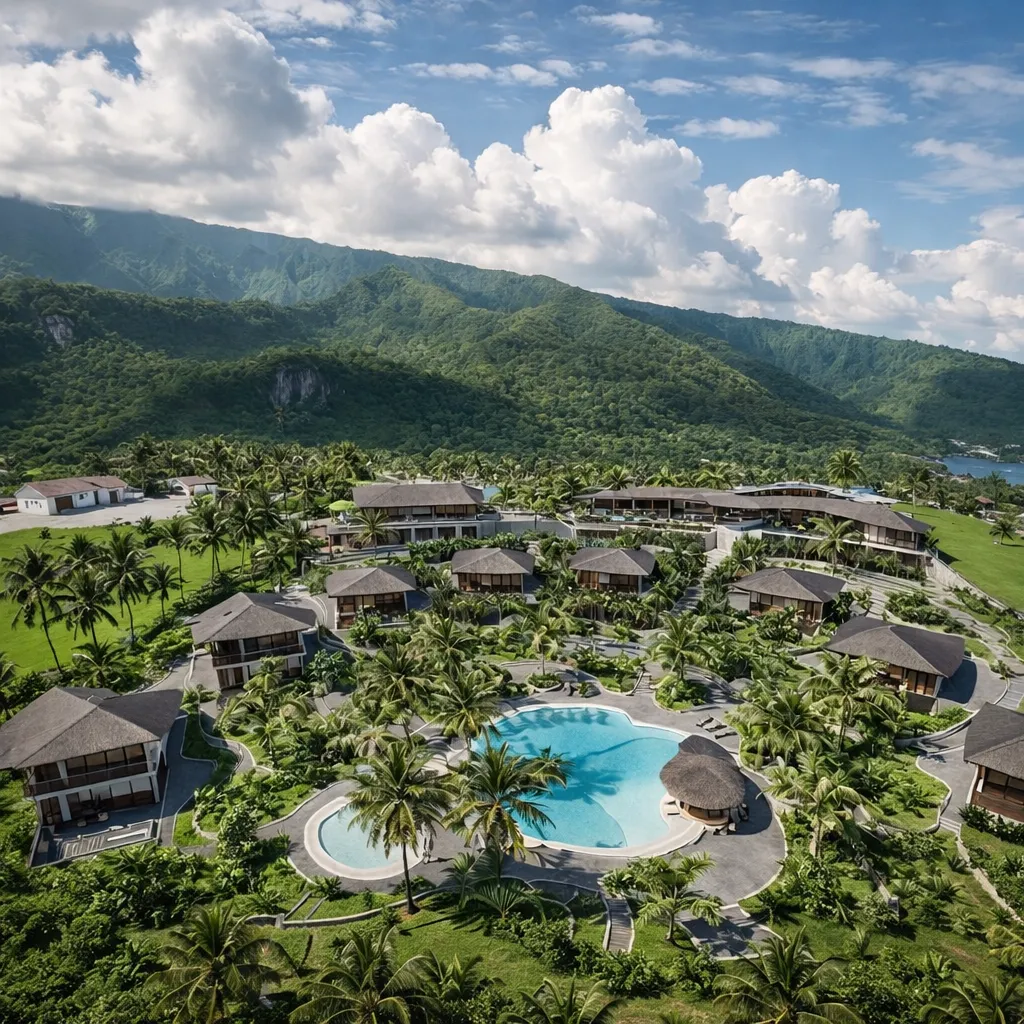
On a multi-unit or resort-scale project, the first design decisions are not about any individual villa or unit - they are about how the site as a whole is organized: where roads and shared infrastructure run, how units are arranged for privacy and view access without crowding each other, where common facilities sit relative to the units they serve, and how the development responds to the site's topography and drainage at scale. Getting this masterplan wrong is far more expensive to correct than getting a single building's layout wrong, because every subsequent unit design, every infrastructure run and every phase of construction inherits the masterplan's logic. This is genuinely different work from unit-level design, requiring a different kind of judgment about density, circulation and shared systems.
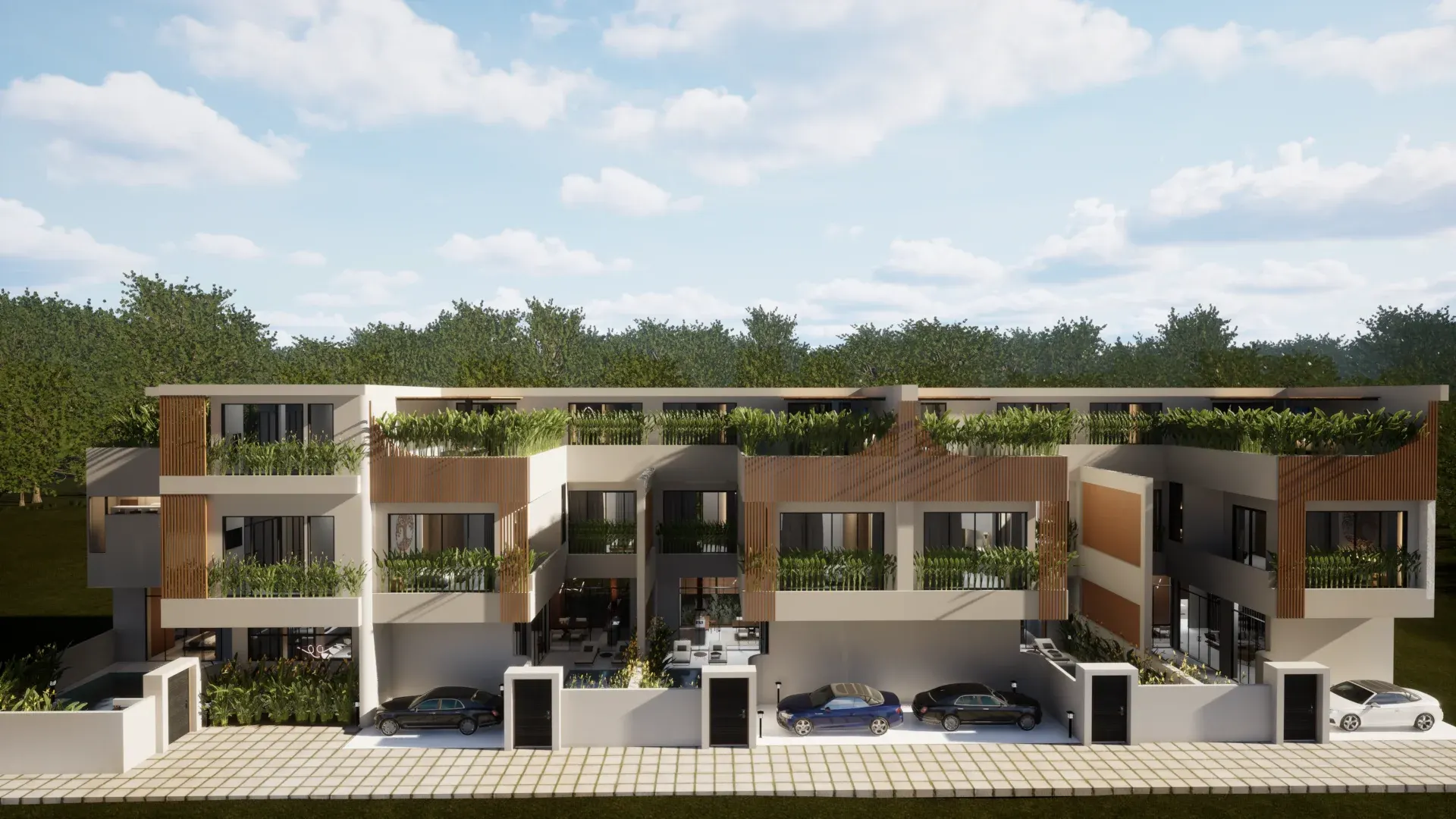
Multi-unit developments live or die commercially on the tension between efficiency and differentiation. Pure repetition - identical units - is efficient to design, document and build, but can undercut a project's positioning if the market it is aimed at expects individuality. Pure customization per unit is the opposite problem: it multiplies design and construction cost and risk across every unit. The practical approach is usually a kit of coordinated design elements - a shared material and structural language, a set of unit types that can be sited and oriented differently across the plan - that gives each unit a distinct relationship to its own view and privacy conditions without re-solving the whole design from scratch each time.
Investment-driven projects are rarely built all at once. Architecture at this scale has to account for how infrastructure - roads, utilities, shared amenities - is sequenced so that early phases are not left waiting on later ones, and so that a project can be sold or operated in stages if the business plan requires it. This means the design has to anticipate construction logistics and cash flow considerations that simply do not arise on a single residential commission, working closely with the investment or development team on how design decisions affect delivery timeline and cost exposure at each phase.
This is distinct from the question of how individual design choices affect a single property's resale value, covered in modern architecture as an investment decision, and from how design supports the marketing of a finished property, covered in luxury real estate architecture and positioning. To discuss a development-scale project, get in touch, or see the project portfolio.
Contact Antonio Rutilio's studio for an exclusive and confidential consultation on your next investment in Bali.
Or start with a preliminary architecture cost estimate — a non-binding range for your villa, resort or hotel.