
Southeast Asian architecture is undergoing a renaissance, blending deep cultural roots with hyper-modern sustainability. From the villa coast of Bali to the dense centres of Singapore and Bangkok, architects are drawing on vernacular building traditions and reinterpreting them with contemporary technology, new materials and international standards of comfort.
This article focuses on the present: what is actually being designed, specified and built across the region today, and which materials, building types and markets are driving demand. For a look at the green technologies and regulations that will shape the coming decade, read our companion article on futuristic sustainable architecture trends in Southeast Asia.
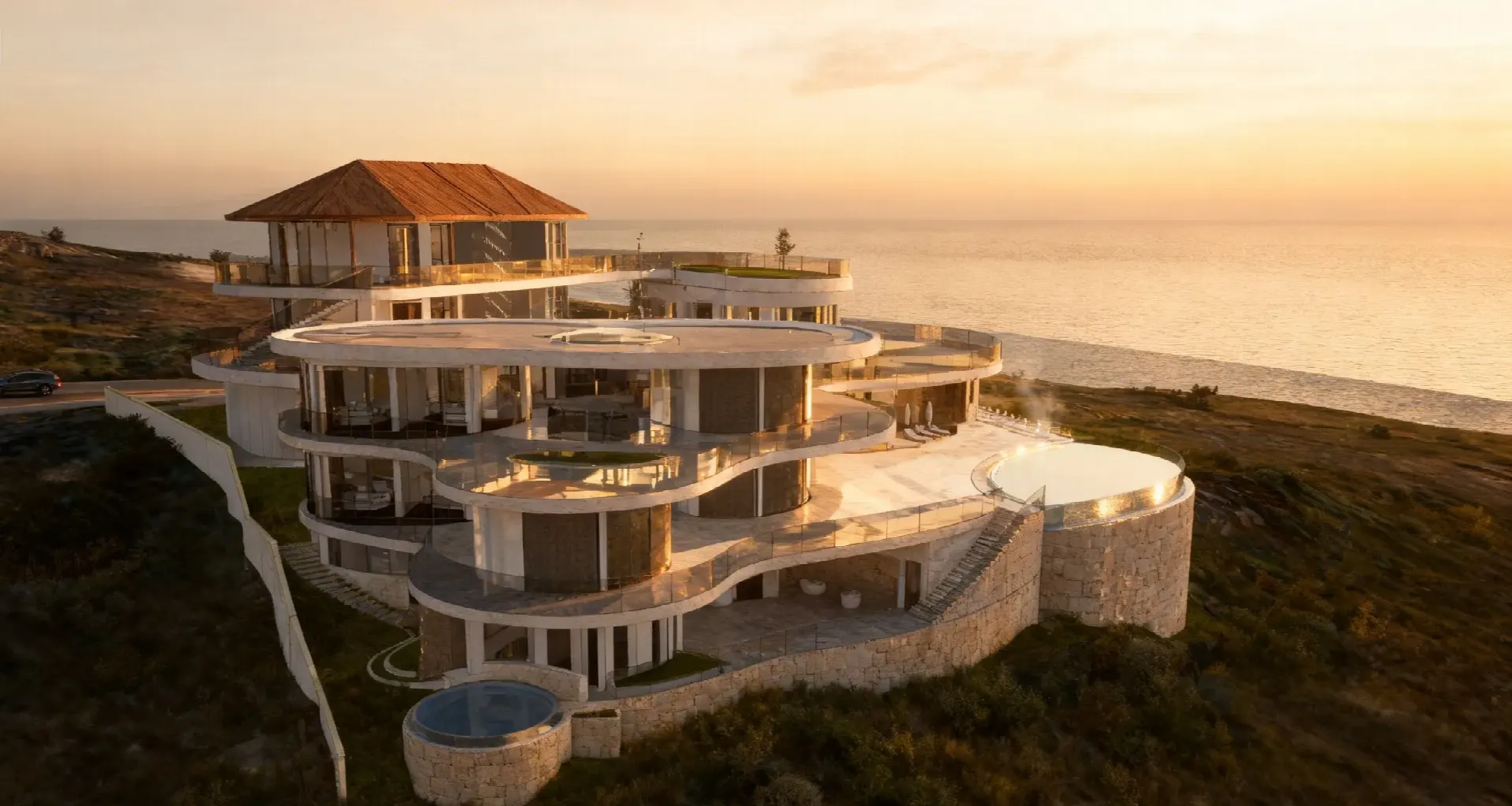
Tropical Modernism remains the leading design language, emphasising open layouts, passive cooling and the blurring of indoor and outdoor spaces. Its principles are practical as much as aesthetic: generous roofs to shed heavy rain, deep eaves to shade walls and glass, raised floors and cross-ventilation to move air, and rooms that open fully onto terraces, gardens and pools.
What has changed in recent years is the level of refinement. Clients now expect the relaxed feeling of a tropical pavilion together with the precision, acoustic comfort and detailing of a high-end European home. Minimal steel or aluminium frames, large sliding glass panels, concealed gutters and carefully integrated lighting sit alongside thatched or timber roofs and natural stone. The result feels open and effortless, yet is engineered with the care of a fine European residence.
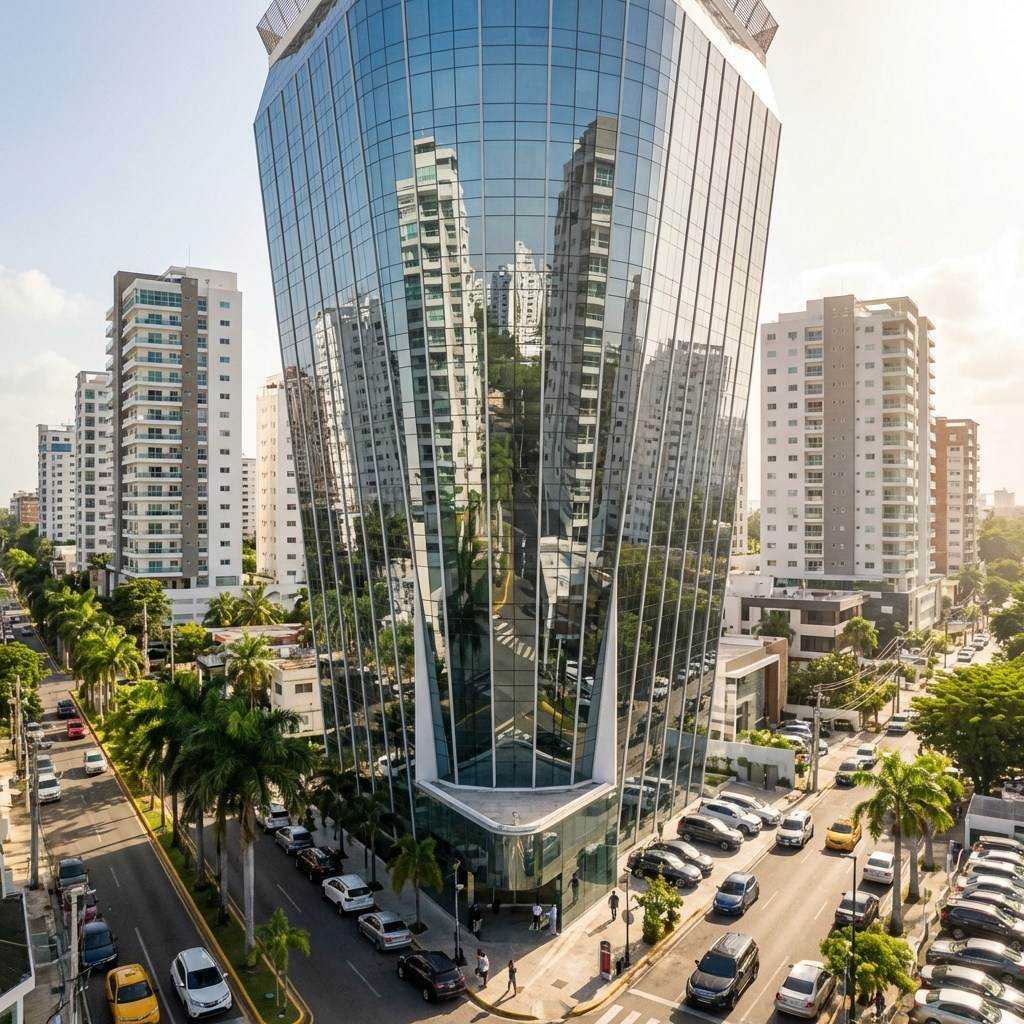
Integrating nature directly into the building, through vertical gardens, indoor waterfalls and natural materials like bamboo and reclaimed teak, is no longer just a trend, but a standard for high-end developments in cities like Singapore, Bali and Bangkok. In Singapore, towers such as WOHA's Oasia Hotel Downtown and Parkroyal Collection Pickering have made planted facades and sky gardens part of the city's identity. In Bali, biophilic design is often quieter: courtyards organised around a single frangipani tree, water gardens that cool the air, and living spaces that frame views of rice fields, jungle or ocean.
Material choice is where regional identity, climate performance and budget meet. In current high-end projects across Indonesia, we see a clear palette emerging:
A growing number of clients also ask about embodied carbon, sourcing and maintenance. In a humid, salty coastal environment, the right detail for a timber joint or a stone edge can make the difference between a villa that ages gracefully and one that needs constant repair.
In Bali, the private pool villa remains the core typology. Many are designed to work both as a family home and as a short-term rental, which shapes the brief: bedrooms of similar quality with ensuite bathrooms, open living areas facing the pool, discreet service access and durable, easy-to-maintain finishes. Our guide on how to build a luxury villa in Bali covers this process step by step.
Small hotels, glamping resorts and wellness retreats with yoga shalas, spas and plant-based restaurants continue to grow, particularly around Ubud and in quieter coastal areas. Here, architecture is part of the product: guests choose a place for how it looks, feels and photographs.
Hospitality is increasingly mixed with art, food, retail and events. In Seminyak, Potato Head's beach club by Andra Matin, with its facade assembled from thousands of antique windows and shutters, and the more recent Potato Head Studios by OMA show how a hotel can act as a cultural venue as much as a place to sleep.
In Bali, activity has spread well beyond the traditional centres of Seminyak and Ubud. Canggu, Pererenan and Seseh on the west coast, and Uluwatu and Bingin on the Bukit peninsula, are among the most active areas for new villas and small resorts. Further afield, islands such as Lombok and Sumba attract investors looking for larger plots, dramatic landscapes and a slower pace of development. For a regional overview, see our article on working with an architect in Indonesia, from Bali to Sumba, Java and Lombok.
Regulation shapes every one of these markets. In Bali, provincial spatial planning rules limit most buildings to a maximum height of 15 metres, the famous "no higher than a coconut tree" principle, which is one reason the island's architecture remains low-rise and horizontal. Across Indonesia, the building approval known as PBG (Persetujuan Bangunan Gedung) replaced the old IMB permit in 2021. Zoning, setbacks and permitted use vary by regency and must be checked before land is purchased.
The design process itself is also changing. Many owners and investors live abroad and cannot visit the site every week. Immersive visualisation, including real-time renderings in Unreal Engine 5 and virtual reality walkthroughs, allows them to understand spaces, materials and light before construction starts, reducing costly changes on site. For developers, the same models support marketing and pre-sales long before a project is completed.
As an Italian architect in Bali, Antonio Rutilio combines this digital workflow with a European approach to detailing and a close knowledge of local builders and materials. For those evaluating projects as an investment, our investment opportunities page presents current developments.
The most successful projects in Southeast Asia today are those that respect climate, culture and place while delivering the comfort international clients expect. Good tropical architecture is not a style applied on top of a building; it is a way of organising roofs, walls, gardens and openings around sun, rain and wind.
If you are planning a villa, resort or hospitality project and want to discuss materials, typology or location, contact the studio to start the conversation with an experienced architect in Indonesia.
Antonio Rutilio · Architecture & Design

Lead Architect & Founder. Merging Italian design excellence with tropical aesthetics to create unparalleled luxury spaces.

Send us your land size, location and development idea. We will help you understand what can be designed, developed and presented to investors or buyers.
Request a Feasibility ReviewWe are selecting strategic partners in key countries who can introduce clients, developers, investors, landowners and institutional opportunities.
Apply as Country PartnerContact Antonio Rutilio studio for an exclusive and confidential consultation on your next investment in Bali.
0 Comments