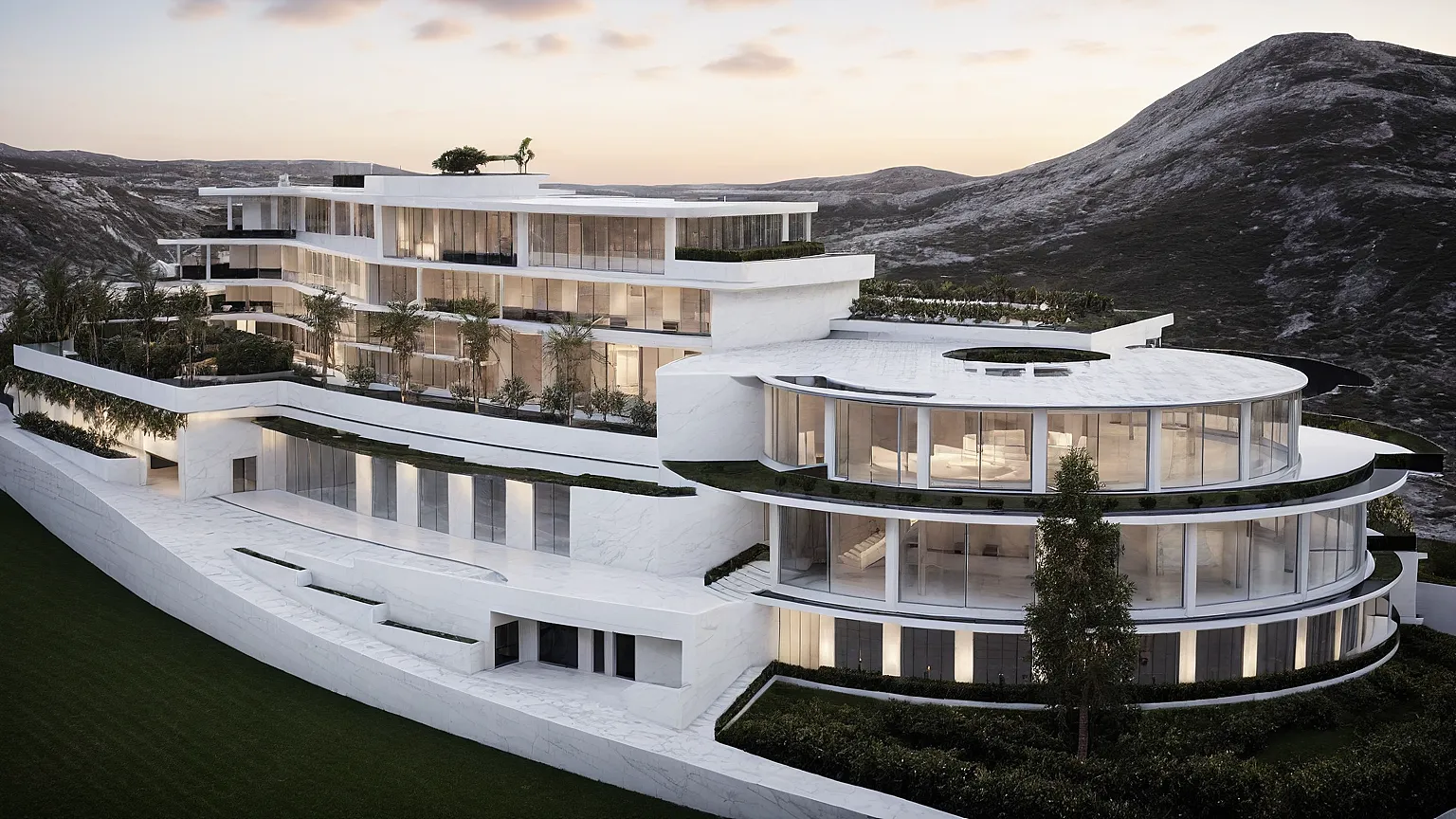
Ask most people to describe a luxury villa and they will list objects: marble, an infinity pool, a wine cellar, gold fixtures. These are signifiers of expense, not evidence of good design. A villa can contain every one of them and still feel cheap in the way that matters most - the way it holds a body moving through space, morning to night. The distinction is not academic. It is the difference between a house that photographs well on day one and a house that keeps rewarding the people who live in it after the novelty of the finishes has worn off.
Proportion is invisible in a listing photo and unmistakable in person. A living room can have the correct square footage on paper and still feel wrong if the ceiling height, the window-to-wall ratio, or the relationship between a room and the spaces it opens onto are off. Good proportion is why some rooms feel calm the instant you walk in, before you have registered a single material. It is also one of the hardest things to retrofit - proportion is decided in the massing and section of a building, long before finishes are chosen, which is exactly why it gets skipped when a project is driven by a finishes budget rather than a design process.
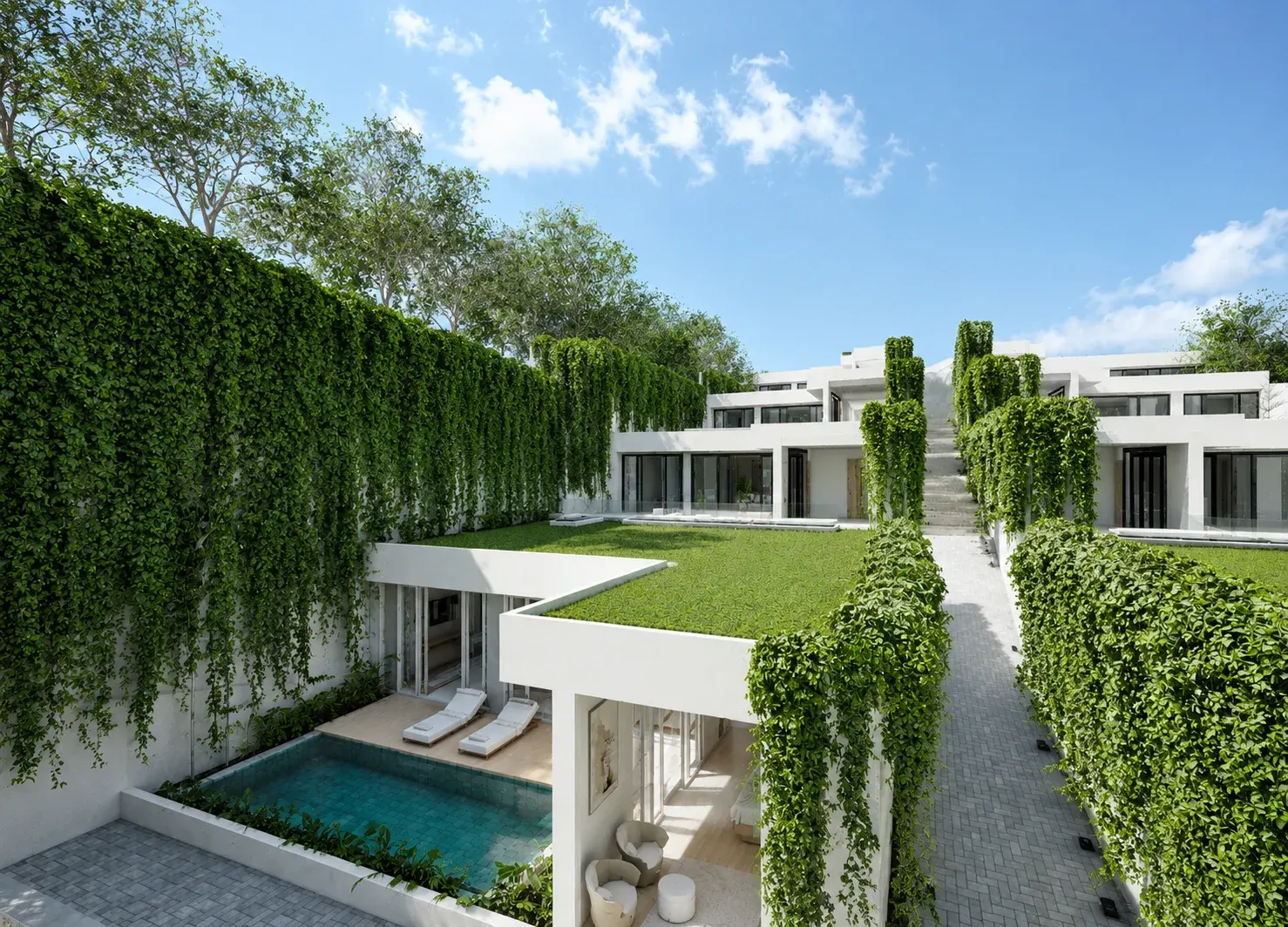
In a tropical context especially, light is not simply "daylight in the render." It is direct sun that needs to be kept out of certain rooms at certain hours, diffused light that should be allowed deep into a plan, and the quality of light bouncing off a water feature or a light-colored wall onto a ceiling. Designing for light means deciding, room by room, what kind of light that room needs to work - a kitchen wants even, glare-free light through the working day; a bedroom wants to be dark and cool by mid-afternoon; a living pavilion opening to a garden wants to dissolve the boundary between inside and outside without turning into a greenhouse. None of this shows up as a line item in a budget, which is precisely why it is so often the first thing sacrificed.
There is a real difference between a material used honestly and the same material used as a veneer of luxury. Stone that carries load and shows its thickness at an edge reads differently than a thin stone tile applied over a stud wall, even to someone who could not articulate why. Timber that is detailed to move with humidity and age visibly over years reads differently than timber sealed to look permanently new. This is not an argument for austerity - it is an argument that the value of a material comes from how truthfully it is used, not from its price per square meter. A well-detailed local stone or timber, sourced and worked with care, will usually outperform an imported "luxury" material applied without regard for how it actually behaves in the building.
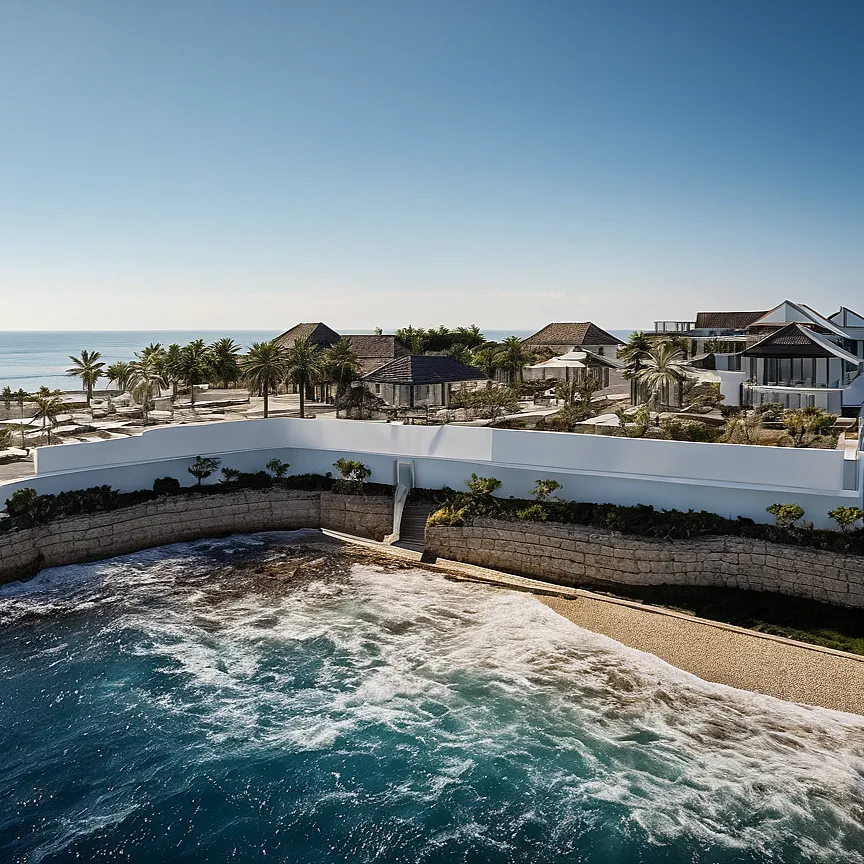
The single highest-leverage decision in a villa project is often made before a single wall is drawn: how the building sits on its land. Orientation relative to sun path and prevailing breeze, the relationship to slope and drainage, which views are framed and which are deliberately closed off, where the building meets grade - these decisions shape everything downstream, including how much mechanical cooling the house will need for its entire life and how the interior spaces will actually feel at different times of day. A villa sited well can use passive cross-ventilation and shading to stay comfortable for much of the year; a villa sited poorly will spend that comfort budget on air conditioning indefinitely, no matter how expensive its finishes are.
None of this is to say that budget and craftsmanship do not matter - they do. But they are in service of these underlying decisions, not a substitute for them. If you are evaluating a villa design, or briefing an architect on one, the questions worth asking are about proportion, light, material truth and siting long before they are about brand names of fixtures. For a closer look at how this plays out specifically in a contemporary, non-vernacular design language, see the architect's role in contemporary villa projects, or explore the project portfolio for built examples. To discuss a villa project, get in touch.
Contact Antonio Rutilio's studio for an exclusive and confidential consultation on your next investment in Bali.
Or start with a preliminary architecture cost estimate — a non-binding range for your villa, resort or hotel.