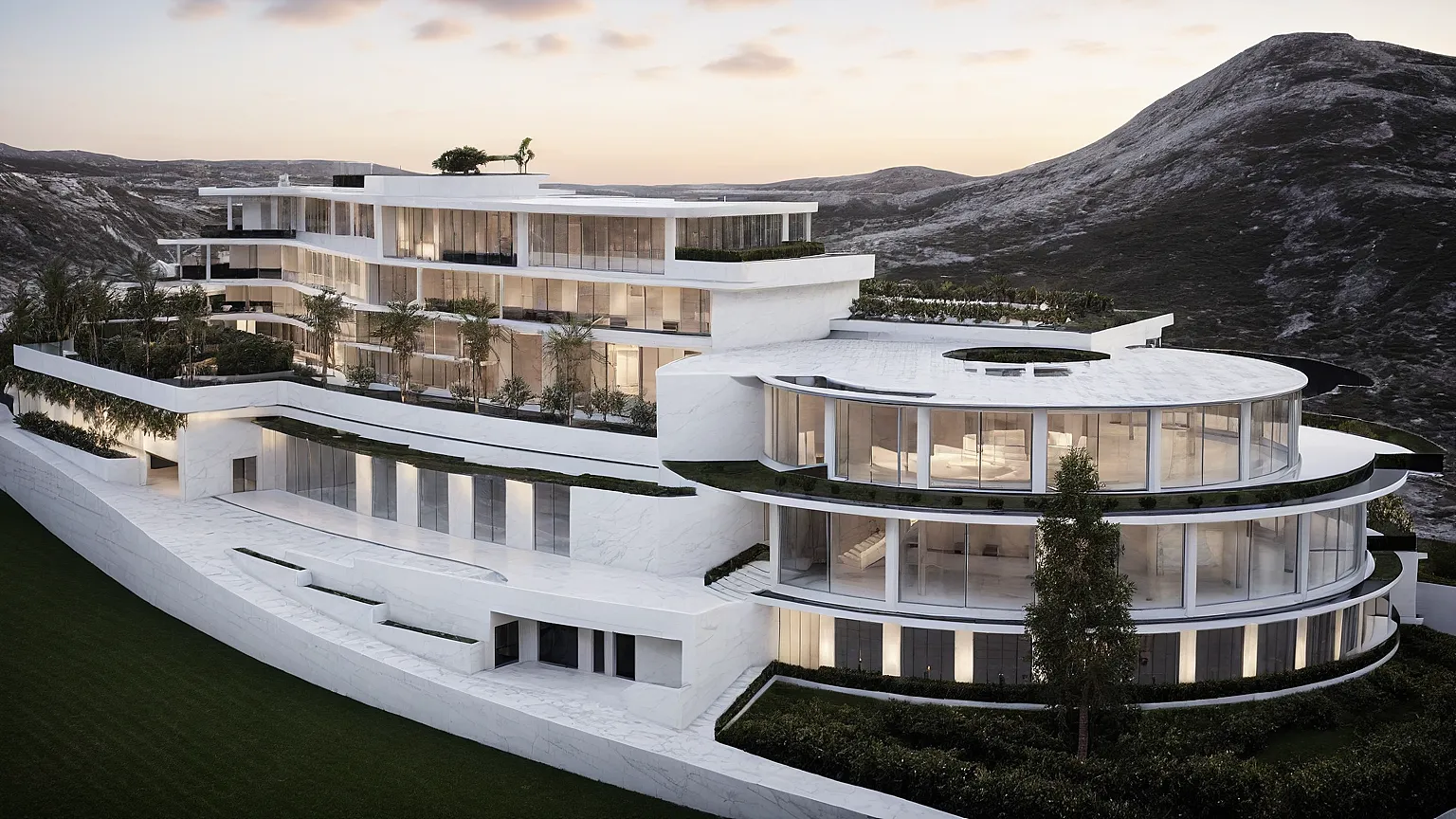
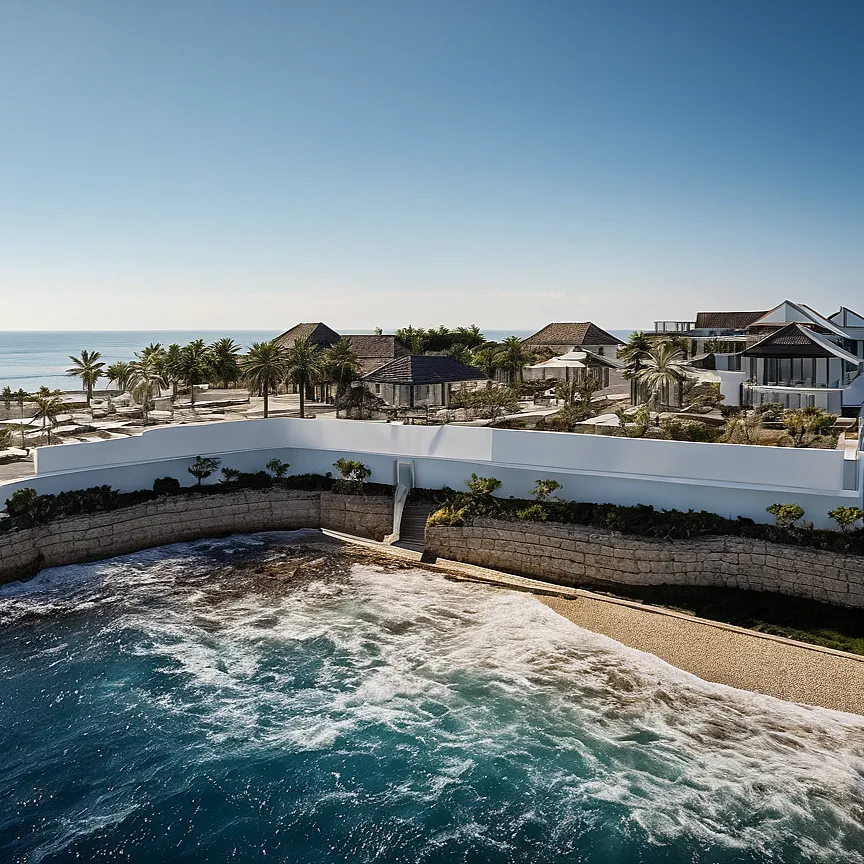
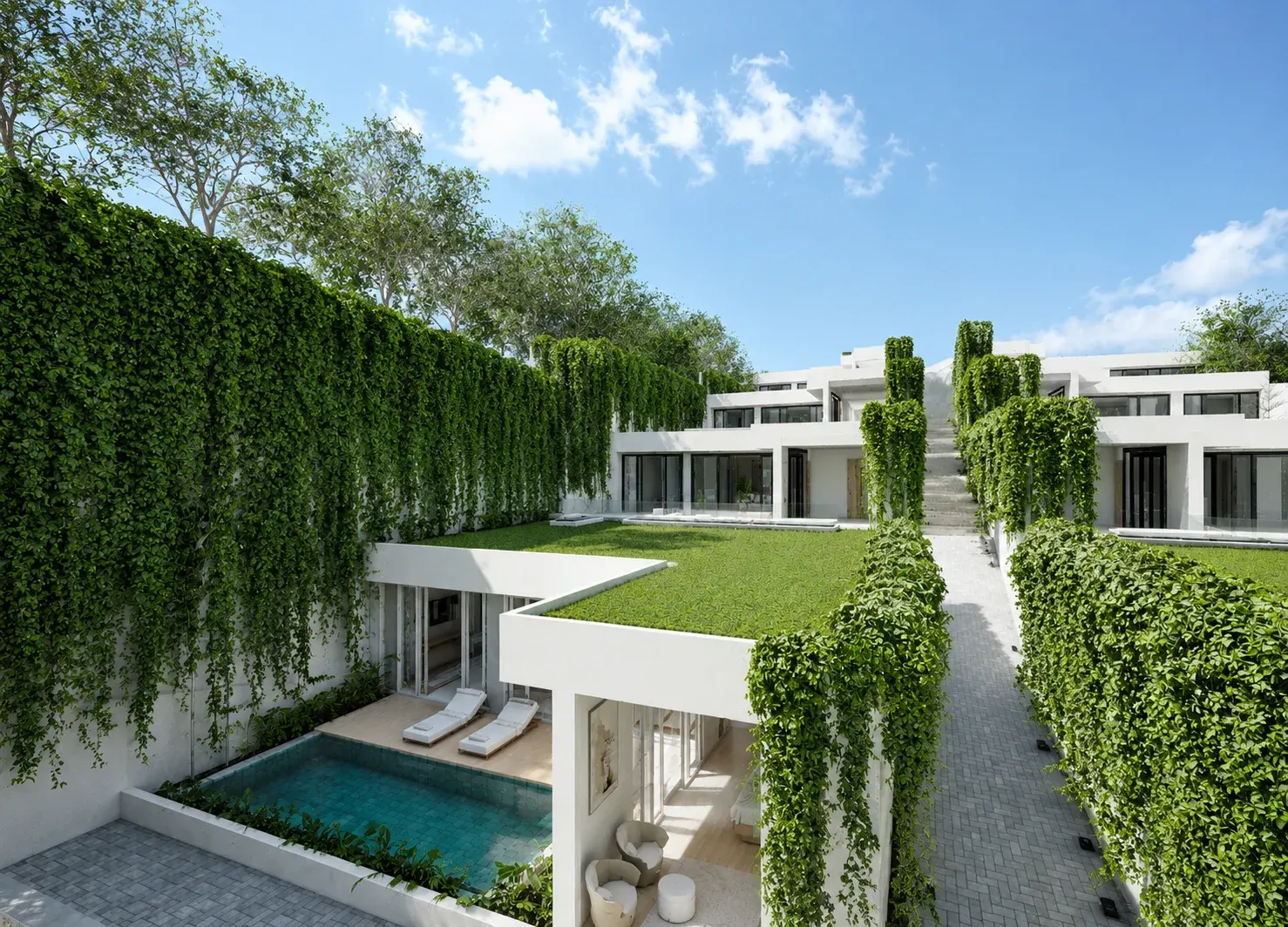
An investor evaluating a completed building can walk through it, feel its proportions, and judge its finishes. An investor evaluating a project on paper is being asked to commit capital to something that doesn't exist yet, based on a floor plan and a set of assumptions. Visualization tools exist to close that gap — but they are only useful when the person building them understands what an investor actually needs to see, as distinct from what looks impressive in a marketing deck.
A 3D render's real job is to answer questions a 2D plan can't: how does the ceiling height actually feel in the main living space, does the pool deck get privacy from the neighboring lot, how much of the view is genuinely visible from a seated position on the terrace rather than only from a drone camera angle. Used well, this is due diligence, not decoration — it lets an investor or end buyer catch a spatial problem while it's still a line on a drawing, not a wall that's already been built.
Real-time engines, originally built for the games industry, now let a design be explored interactively rather than viewed as a handful of fixed camera angles chosen by whoever built the render. This matters for investment decisions specifically because a fixed render can be composed to flatter a design's best angle while quietly avoiding its weaker ones. A real-time or VR walkthrough that lets a viewer move freely through a space is a more honest test of whether a design actually works, because there's nowhere for a bad sightline or an awkward transition to hide.
The same tools that build trust can also be used to oversell. Renders with unrealistic lighting, staged furniture at a scale that exaggerates a room, or landscaping that won't exist for years at project handover are common enough in this industry that experienced investors have learned to discount them. The useful version of investment property visualization is calibrated to reality: accurate dimensions, realistic material and lighting representation, and a willingness to show a project's ordinary views alongside its best one. Visualization should shorten the distance between a plan and reality, not widen it.
If you're evaluating a pre-construction project and want a realistic sense of what it will actually look and feel like before committing, get in touch. To see how visualization fits into a broader development process, read about property development design, or for the investment framing behind these decisions, see real estate investment architecture.
Contact Antonio Rutilio's studio for an exclusive and confidential consultation on your next investment in Bali.
Or start with a preliminary architecture cost estimate — a non-binding range for your villa, resort or hotel.