
Panama is rapidly becoming one of Central America’s most attractive destinations for luxury tourism, lifestyle investment, and real estate. From modern city skylines to tropical beaches, mountain retreats, and colonial towns, the country offers a unique mix of nature, culture, and architectural inspiration.
Few countries of its size offer two oceans, hundreds of islands, cloud forests and a cosmopolitan capital within a short flight or drive of each other. In this guide I look at Panama's most exclusive destinations through the eyes of an Italian architect: what makes each place special, how its landscape and climate shape architecture, and what it means for anyone considering real estate investment in Panama.
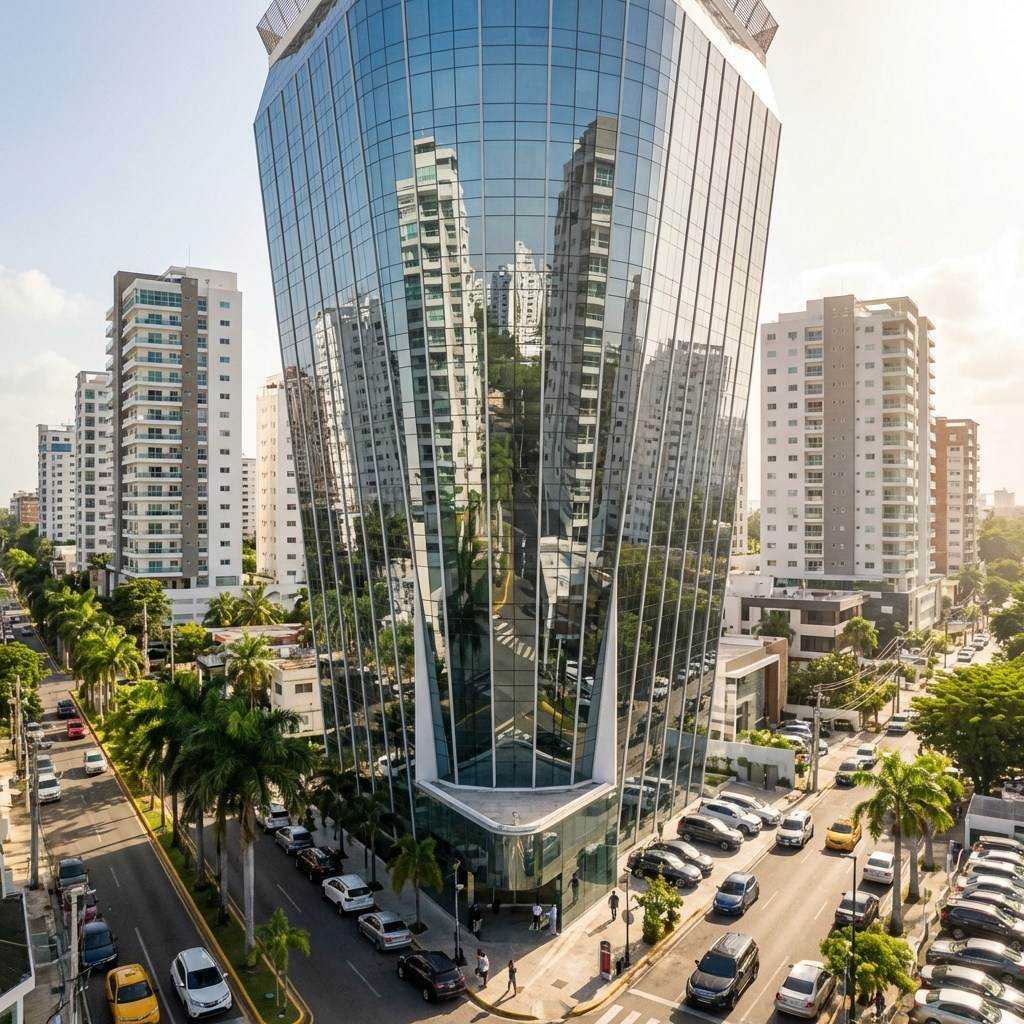
Among the most interesting places to visit, Panama City stands out with its Miami-style skyline, ultra-modern penthouses, luxury hotels, and vibrant nightlife in the historic district of Casco Viejo. The contrast between contemporary architecture and restored colonial buildings makes the capital one of the most dynamic urban destinations in Latin America.
Casco Viejo, also known as Casco Antiguo, was founded in 1673, after the original city, Panamá Viejo, was destroyed during the attack led by the pirate Henry Morgan. The ruins of Panamá Viejo, founded in 1519, and the historic district together form a UNESCO World Heritage site, with Casco Viejo inscribed in 1997. Its streets combine Spanish colonial, neoclassical and Caribbean influences: wrought-iron balconies, pastel facades, churches and plazas that have been progressively restored into boutique hotels, rooftop bars, restaurants and residences.
Panama City is a rare place where two very different models of luxury coexist: the vertical, glass-and-concrete living of the waterfront towers and the intimate, courtyard-based life of the historic district. For designers and investors, Casco Viejo shows the value of authenticity and careful restoration, while the modern city demonstrates the demand for high-end apartments with views, services and amenities. I explore the city's buildings in more detail in my article on the best places to discover architecture in Panama.
On the Pacific coast, Pedasí is becoming one of the best touristic destinations in Panama. Known for its relaxed lifestyle, beautiful beaches, boutique hospitality, and growing interest from international investors, Pedasí represents a perfect balance between authenticity, nature, and future real estate potential.
Located on the Azuero Peninsula, the town has clean, quiet streets and colorful colonial-style houses. Just offshore, the Isla Iguana Wildlife Refuge protects coral reefs and a large nesting colony of frigatebirds, while further south Playa Venao has become a well-known surf beach with a growing number of small hotels and villas.
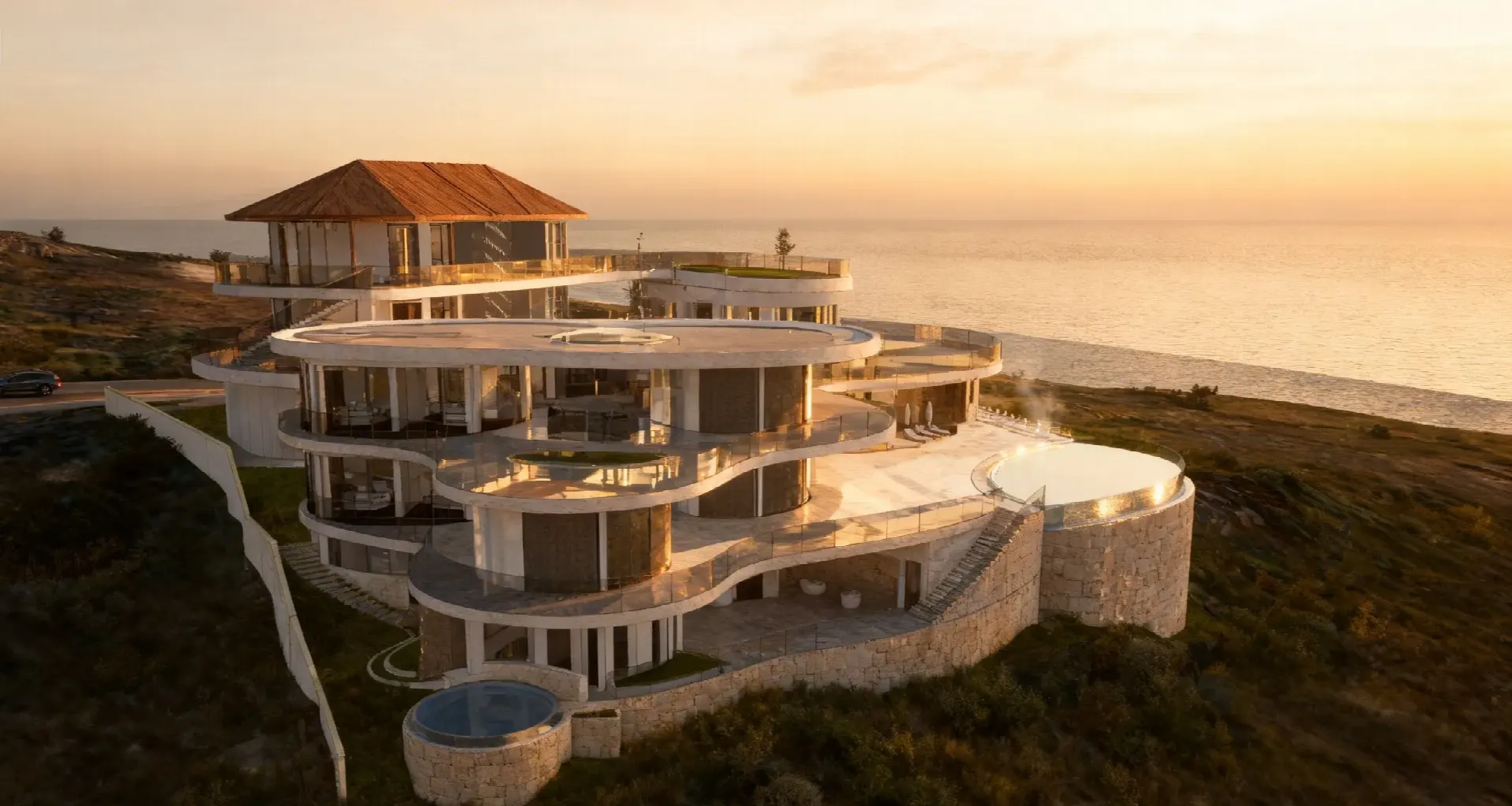
Azuero is the kind of place where architecture must remain humble and contextual. Low-rise villas, boutique hotels with courtyards, local materials, generous verandas and natural ventilation fit the landscape and the local culture far better than large-scale resort blocks. For luxury villa design, this is an ideal context: large plots, ocean views and a strong sense of place.
Outside the city, the archipelago of Bocas del Toro continues to attract visitors looking for over-water bungalows, eco-resorts, tropical landscapes, and Caribbean charm.
Isla Colón, with its airport and colorful wooden town, is the main hub, while Isla Bastimentos, the largest island of the archipelago, is largely protected by the Isla Bastimentos National Marine Park, created in 1988 as Panama's first marine park. Mangroves, reefs and rainforest meet the water, creating one of the most spectacular settings in Central America.
The traditional Caribbean wooden houses of the islands, often raised above the ground and wrapped by deep porches, are already an excellent lesson in tropical design. Contemporary eco-resorts can build on this language: elevated structures that let water and air flow underneath, light timber construction, rainwater harvesting and minimal site disturbance. Here, resort architecture must adapt to one of the most sensitive ecosystems in the region.
Meanwhile, Boquete, located in the highlands, is popular among affluent expats thanks to its temperate climate, mountain views, coffee culture, and elegant residential architecture.
Set in the province of Chiriquí, on the edge of Volcán Barú National Park, Boquete is surrounded by cloud forest and coffee plantations and offers hiking, rafting and canopy tours. Its cooler climate allows a very different type of home from the coast: fireplaces, large windows framing the mountains, stone and timber, and gardens that flourish all year.
On the Caribbean coast towards Colombia, the San Blas Islands, known officially as Guna Yala, form an autonomous indigenous territory of the Guna people. The archipelago counts several hundred small islands, many of them uninhabited, with white sand, palm trees and clear water. Hospitality here is simple and rooted in Guna culture. It is not a place for conventional real estate development, but it is one of the most extraordinary experiences in Panama and a powerful reminder that true exclusivity often means simplicity and respect for local communities.
In the Gulf of Panama, the Pearl Islands (Archipiélago de las Perlas) include more than 200 islands and islets. The best known is Contadora, known for its resorts and holiday homes, reachable from Panama City by ferry or short flight. The islands offer a Pacific alternative to the Caribbean archipelagos, with quieter beaches and opportunities for private villas and small resorts where design must deal with island logistics, water supply and exposure to sun and wind.
As an Italian architect in Panama, I see these destinations not only as places to visit, but also as sources of design inspiration. Each location offers a different vision of luxury living, from beachfront villas and tropical retreats to urban residences and mountain homes designed around comfort, nature, and lifestyle.
Across all these places, a few principles guide my work: start from the site and the climate, respect the local building culture, prioritize shade and natural ventilation, and design outdoor spaces with the same care as interiors. Today I also use immersive visualization with Unreal Engine 5 and VR, allowing clients to walk through a villa or resort before construction, a powerful tool when investors, operators and owners are in different countries.
Each destination has its own profile:
Panama City and Casco Viejo: urban residences, restoration projects and boutique hotels in a capital with international connections.
Pedasí and Azuero: villas and small-scale hospitality in an emerging, authentic coastal area.
Bocas del Toro: eco-resorts and island villas, where environmental sensitivity is essential.
Boquete: mountain homes and residences for long stays, in a cooler climate.
Pearl Islands: private island retreats with specific logistical challenges.
Before buying land, always verify titles, zoning, access, utilities and environmental constraints with qualified local professionals. Italians relocating or investing in the region may also find useful my article on assistance for Italians in Panama, Costa Rica and Central America. You can also browse current investment opportunities.
Whether you are dreaming of a beachfront villa in Pedasí, an eco-resort in Bocas del Toro or a mountain home in Boquete, I would be glad to help you turn the idea into a coherent, well-designed project. Contact me to discuss your plans.
Vía Brasil 405, 12th floor, office E, Panama · View on Google Maps
Antonio Rutilio · Architecture & Design

Lead Architect & Founder. Merging Italian design excellence with tropical aesthetics to create unparalleled luxury spaces.

Send us your land size, location and development idea. We will help you understand what can be designed, developed and presented to investors or buyers.
Request a Feasibility ReviewWe are selecting strategic partners in key countries who can introduce clients, developers, investors, landowners and institutional opportunities.
Apply as Country PartnerContact Antonio Rutilio studio for an exclusive and confidential consultation on your next investment in Bali.
0 Comments